


-
ВОЄННИЙ Щоденник







-
FICTION/OPINION COLUMN



-
ФОТОБУК





-
Нетлінне
-






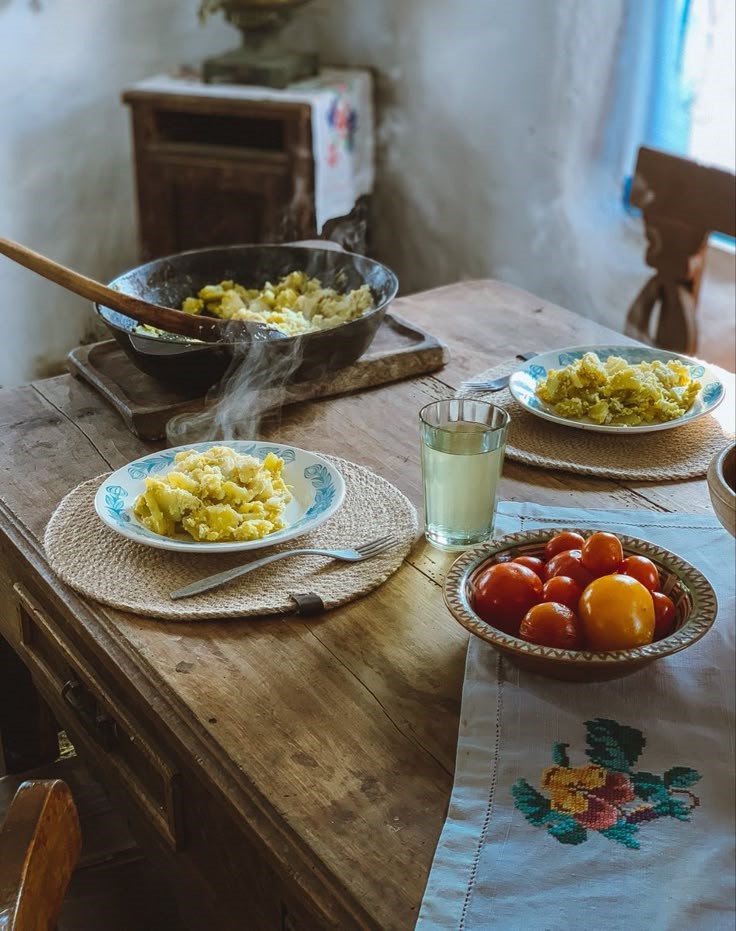
When people think of Ukraine, they often picture golden wheat fields, the sound of bandura, or lately—unfortunately—the headlines of war. But beyond the news, Ukraine is also the proud home of a cuisine so rich, hearty, and unexpectedly wise, it could teach a few lessons to the modern world—not only about food, but also about life and even business.
Let’s start with the superstar: borscht. It’s red, it’s bold, it’s complex, and yes, it caused a UNESCO debate. But borscht is more than just soup—it’s a symbol of Ukraine’s ability to turn basic ingredients into something powerful. Beets, cabbage, potatoes, carrots, meat, garlic—nothing fancy, just real, honest food. And that’s the first lesson: success isn’t about flash—it’s about substance.
In business, as in cooking, the most successful ventures often start with humble ingredients. Ukraine’s IT industry, for example, wasn’t built overnight with billion-dollar investments. It grew from smart, driven people using limited resources to build something meaningful. Like borscht, it’s the slow simmering that creates lasting impact.
Now let`s consider varenyky—Ukrainian dumplings. Each one is handmade, filled with love (or cheese, cherries, potatoes—depending on your grandmother’s mood), and served with sour cream that could heal your soul. Making them is a team effort. It’s rare to make varenyky alone—you call your mom, your aunt, your neighbor, and soon the kitchen becomes a collaborative space of flour and gossip.
Lesson two: success loves company. Whether in startups or in the kitchen, collaboration beats ego.
Ukrainian cuisine also teaches patience. Nothing is instant. Holubtsi (stuffed cabbage rolls) take hours. Uzvar (dried fruit drink) needs to soak overnight. And yet, every bite is worth the wait.
Lesson three: in both cooking and career—slow is often better than fast.
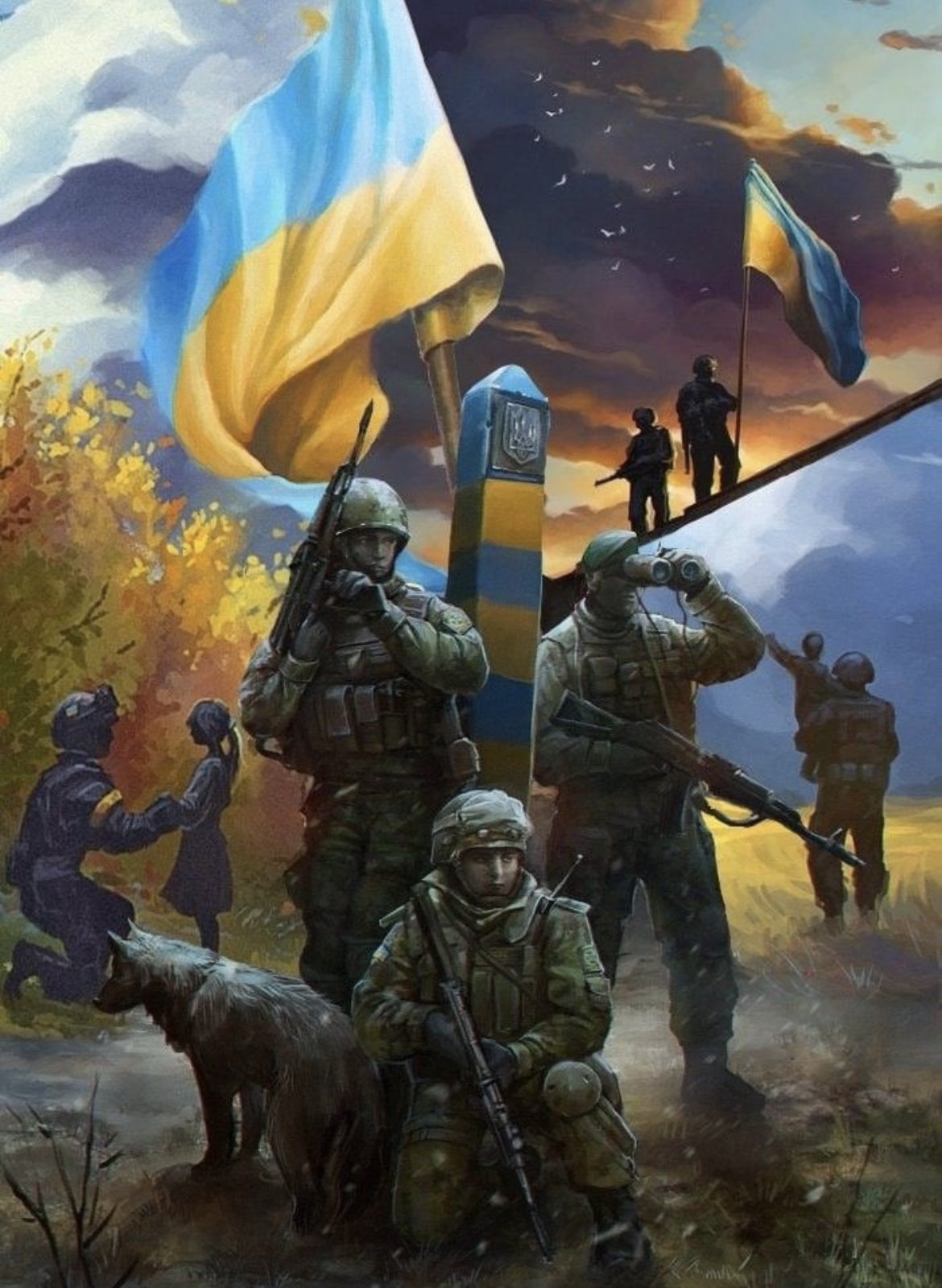
Even under the stress of war, Ukrainian food culture remains an act of resistance. Restaurants have reopened in underground shelters. Bakers knead dough during blackouts. Food festivals go on, sometimes with sandbags at the entrance. Eating together has become an act of defiance, resilience, and normalcy.
So next time you’re rushing to close a deal, finish a project, or book a 15-minute lunch break, stop for a moment and ask: What would borscht do? Probably take its time, share the table, and add a little garlic.
Because in Ukraine, cuisine isn’t just nourishment—it’s wisdom served hot.


















Залишити відповідь