

-
ВОЄННИЙ Щоденник

-
FICTION/OPINION COLUMN


-
ФОТОБУК



-
Нетлінне
-



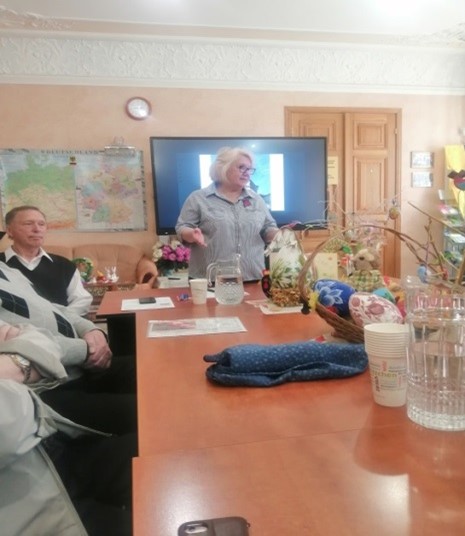
April 18, 2025, Kyiv, Volodymyrska Street 37.
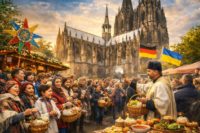
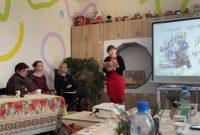
On Good Friday (Karfreitag), the eve of the festive Easter holiday (Oster), the German Center ‘Wiederstrahl,’ under the leadership of Lyudmila Kovalenko-Schneider, member of the Presidium of the Council of Germans in Ukraine, gathered its entire team and the participants of the Historical Club to celebrate this joyful day in a Christian yet typically German style.
After warm greetings, explanations of the traditional symbols of the German Easter festival followed – including the Easter Bunny (Osterhase), who brings children painted eggs, and the popular chocolate eggs that are hidden in the house or garden on Easter Sunday morning for the children to search for.
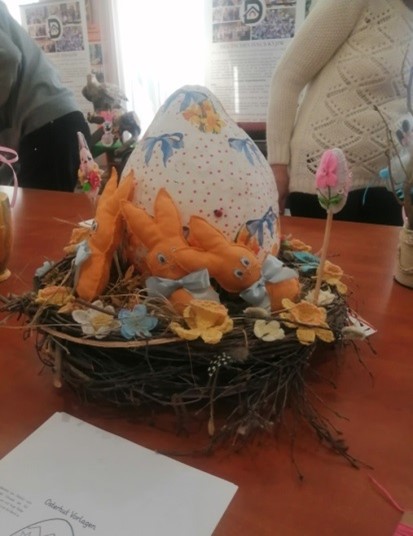
All participants were enthusiastically engaged in creating Easter decorations (Osterschmuck). This amusing activity allowed for an even deeper immersion in German traditions surrounding Easter. The custom of the Easter fire (Osterfeuer), a centuries-old tradition particularly popular in Lower Saxony and Schleswig-Holstein, was also discussed. Originating in pre-Christian times, the Easter fire symbolizes the victory of light over darkness and brings fertility and warmth. Today, this ritual has developed into a popular social event with mulled wine, grilled sausages, and cheerful music.
Following the event, Anatoliy S. Kolos, head of the Historical Club, gave a moving lecture. He spoke about three Polish Catholic priests – Władysław Bukowiński, Bronisław Dziepecki, and Iosif Kuczynski – who, despite years of imprisonment in the Soviet Gulag concentration camps, maintained their unshakable faith and continued their priestly ministry among the Germans deported to Kazakhstan. Many of these Germans originally came from Ukraine and were forcibly resettled during World War II.
In a letter, Bukowiński wrote:
“Iosif Kuczynski holds the world record among Catholic priests. His prison sentence was over 17 years. The second record belongs to Bronisław Dziepecki with 15 years in labor camps. I myself am third – I spent ‘only’ 13 years, 5 months, and 10 days in prison.”
Despite repeated imprisonment, the flame of their faith and inspired preaching never died. Between 1959 and 1968, a remarkable religious revival took place among Germans within the Soviet Union, particularly in Kazakhstan. An internal report from the Propaganda and Agitation Department of the Central Committee of the Communist Party of Kazakhstan dated May 13, 1968, noted:
“The revival of religious sentiment among Germans in the Soviet Union, especially in Kazakhstan, can be explained not only by the hardships they endured, but also by the years of lack of spiritual nourishment in their native language. Often, people turned to the Bible out of sheer boredom—there was simply nothing else to read.”
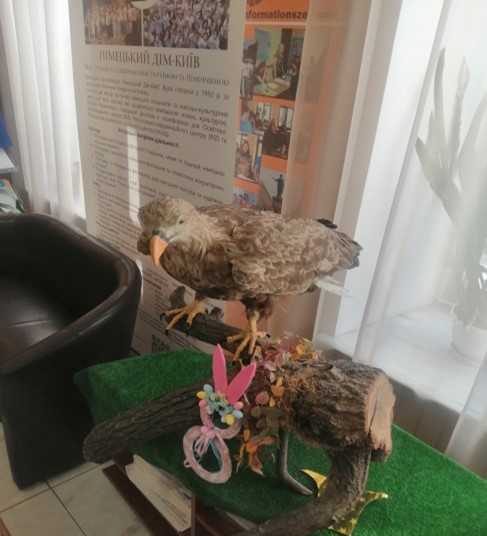
Following A. S. Kolos’s impressive lecture, which addressed the dramatic chapters in the history of Germans from Ukraine and Kazakhstan, as well as the indomitable courage of Polish clergy, a friendly Easter dinner followed. The guests enjoyed authentic German Easter dishes.
Finally, all participants in the Easter celebration wished Ukraine a just peace and a blessed Easter. They also expressed their support for the newly introduced holiday – the Day of Interethnic Harmony and Cultural Diversity, which is celebrated annually on May 21 at the initiative of President Volodymyr Zelensky.
With these wishes and thoughts, this year’s Easter meeting came to a celebratory conclusion.













Залишити відповідь