


-
ВОЄННИЙ Щоденник









-
FICTION/OPINION COLUMN



-
ФОТОБУК





-
Нетлінне
-






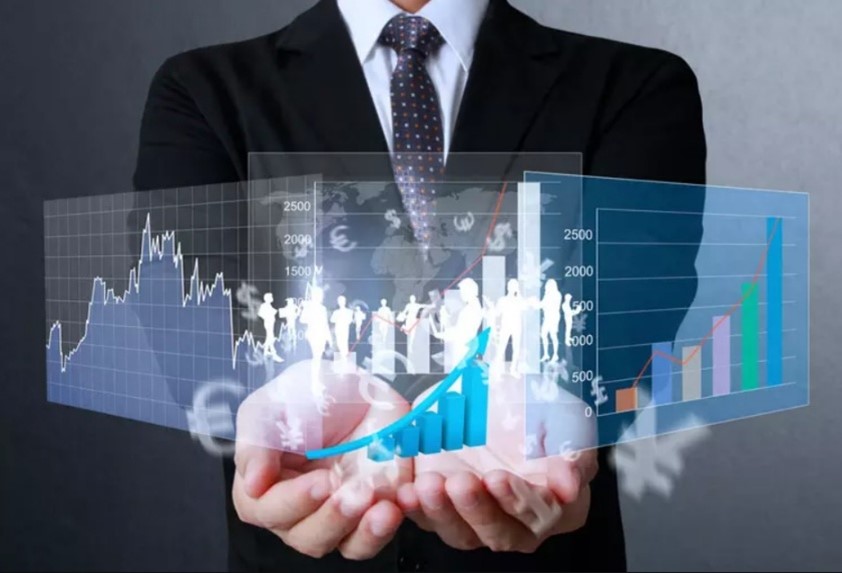
In the good old days (read: pre-2020), investing in the stock market was like gardening. You planted your money in promising companies, watered it with patience, and waited for it to bloom. But in the past few years, the market has felt less like a peaceful garden and more like a rollercoaster with a broken seatbelt—thrilling, unpredictable, and slightly nauseating.
Let’s face it: the modern stock market doesn’t just react to business fundamentals anymore. It dances to the wild rhythm of the Russian-Ukrainian war, geopolitics, tariff conflicts, pandemics, AI hype cycles, Elon Musk tweets, and occasionally, random Reddit forums. One day your stocks are climbing Everest, and the next, they’re free-falling into a financial abyss because someone in Silicon Valley said the word “recession” on a podcast.
Take the war in Ukraine, for example. Beyond the massive human and geopolitical cost, the war sent global energy markets into disarray. European gas prices spiked, oil companies got rich overnight, and suddenly, everyone remembered that wheat comes from Ukraine. Investors who thought they were diversified realized too late that geopolitical stability is not something you can buy as a hedge fund.
Meanwhile, tech stocks are having an identity crisis. Once the golden children of Wall Street, companies like Meta, Google, and Netflix now swing wildly depending on quarterly reports, AI strategies, or whether their CEO smiled weirdly during an investor call. And don’t even get started on cryptocurrencies—they’re like that unreliable friend who promises to pay you back but shows up at your door wearing a new Gucci jacket.
So what’s the average investor supposed to do? Sit back and watch their portfolio melt like ice cream in July? Not quite.
Despite the chaos, the stock market still rewards those who play the long game. Diversification, emotional discipline, and a strong stomach are more valuable now than ever. Timing the market is like predicting Ukrainian weather in April—possible, but mostly luck. Instead, understanding trends, managing risk, and ignoring the noise is how the pros stay afloat.
One thing is clear: we’re in a new era where the line between politics, tech, and finance is blurrier than ever. Every investor is now, by default, a global citizen, a part-time economist, and an amateur crisis manager.
So buckle up, stay informed, and remember the golden rule: investing isn’t about beating the market today—it’s about not getting thrown off the rollercoaster before the ride ends.





















Залишити відповідь