


-
ВОЄННИЙ Щоденник









-
FICTION/OPINION COLUMN



-
ФОТОБУК






-
Нетлінне
-






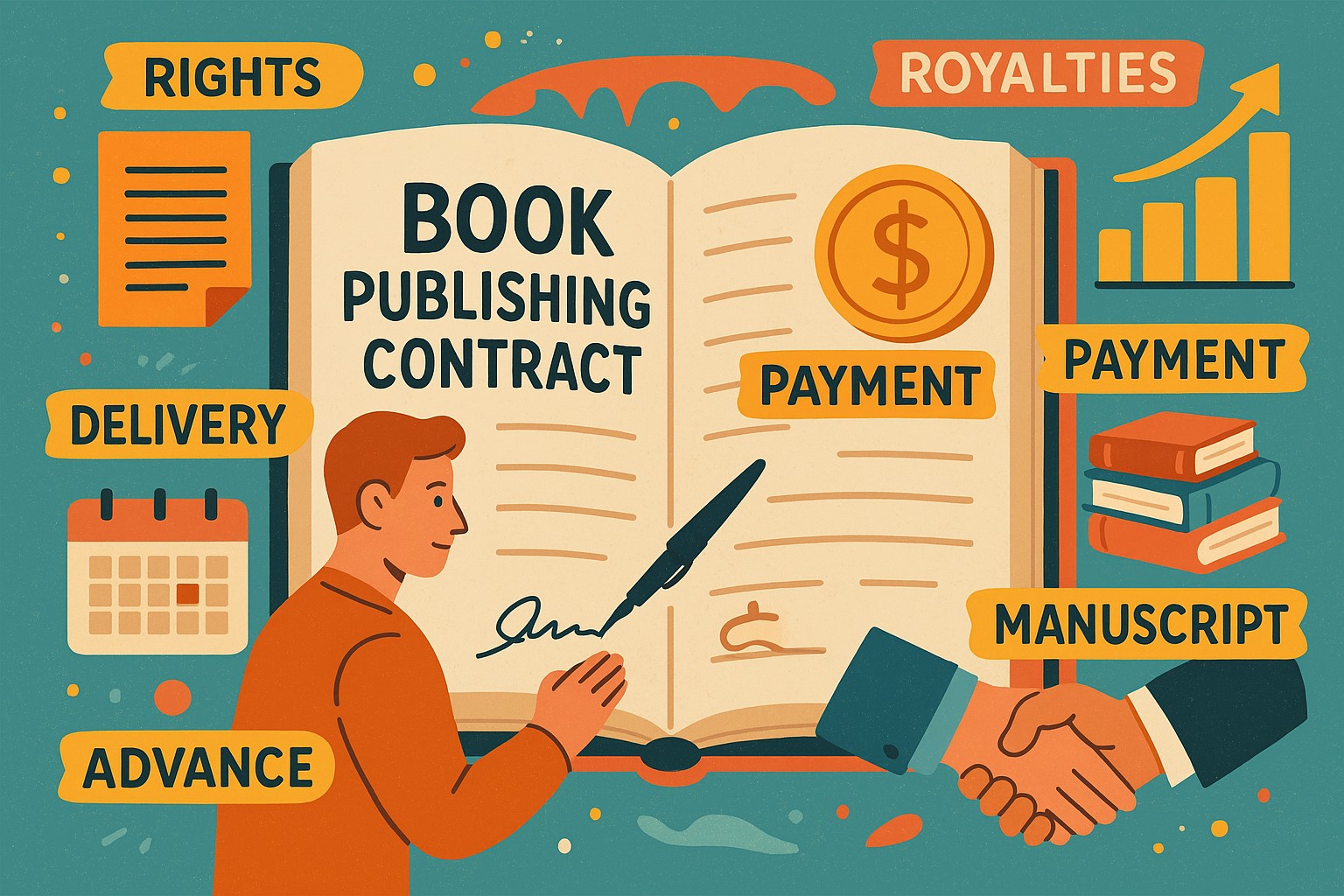
For authors, a publishing deal is a dream. But before celebration, a crucial document awaits: the book publishing contract. This legal backbone outlines your relationship with the publisher, from rights to royalties. Understanding its core components is essential – consider this your guide to the fine print.
This vital section specifies which rights you give the publisher. Typically, it includes exclusive rights to publish your work in specific formats (e.g., hardcover, e-book, audiobook). Pay close attention to “subsidiary rights”—these cover translations, film/TV adaptations, merchandising, and more. Clarity on retained vs. granted rights is paramount.
The contract defines the geographical scope of the publisher’s rights. Is it worldwide? North America only? English language only? This impacts your ability to sell foreign rights. Be precise here.
The “term” dictates the contract’s validity, often for the “life of copyright” (your lifetime plus 70 years). It can also include termination clauses if the book goes out of print or sales fall below a threshold. Understand when rights might revert to you.
This covers your percentage of the book’s sales, calculated from the list price or the publisher’s net receipts. Percentages vary by format (e.g., e-books often have higher rates). Understand the calculation method and any escalations (e.g., higher percentages after sales milestones).
An advance is an upfront payment given upon contract signing. It’s an advance against future royalties, meaning the publisher keeps royalties until the advance is “earned out” from sales. While many first-time authors don’t receive large advances, it provides initial income.
This section outlines manuscript requirements (word count, format, deadline) and the publisher’s acceptance process. Ensure the acceptance clause is reasonable, ideally based on the manuscript being “satisfactory in form and content,” not just subjective whim.
You’ll typically guarantee that your work is original; it doesn’t infringe on copyrights; it isn’t libelous, and that you have the right to grant specified rights. This protects the publisher from legal claims related to your content.
Both parties usually have conditions for contract termination. For authors, this might include if the publisher fails to publish within a set timeframe, if the book goes out of print, or if they don’t meet royalty obligations.
Many contracts include an option clause, giving the publisher the first right to consider your next book. While convenient, ensure the terms are fair and don’t unduly restrict your ability to work with other publishers if the option isn’t exercised.
Publishing contracts are complex. Always seek legal advice from a literary agent or a lawyer specializing in publishing law before signing. Your words are your intellectual property – protect them wisely.























Залишити відповідь