


-
ВОЄННИЙ Щоденник

-
Життя





-
FICTION/OPINION COLUMN








-
Нетлінне
-


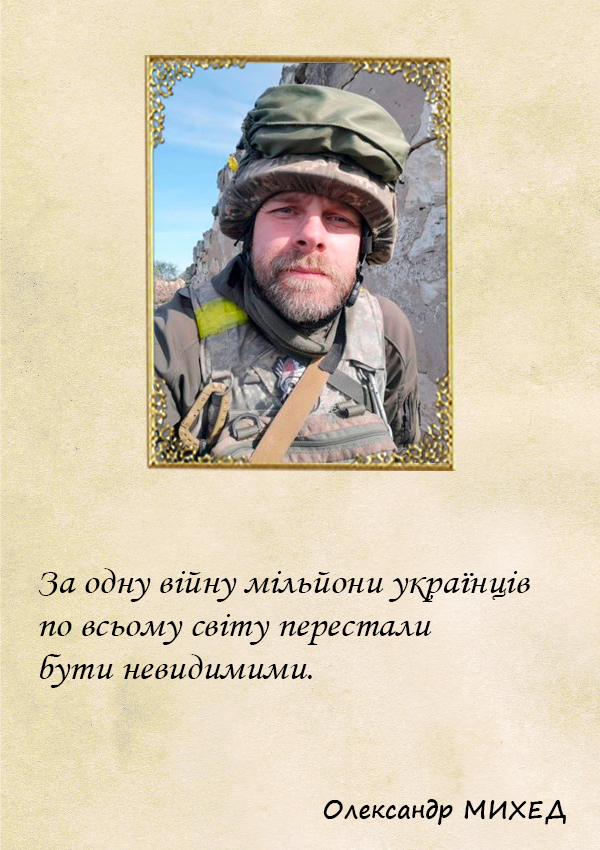




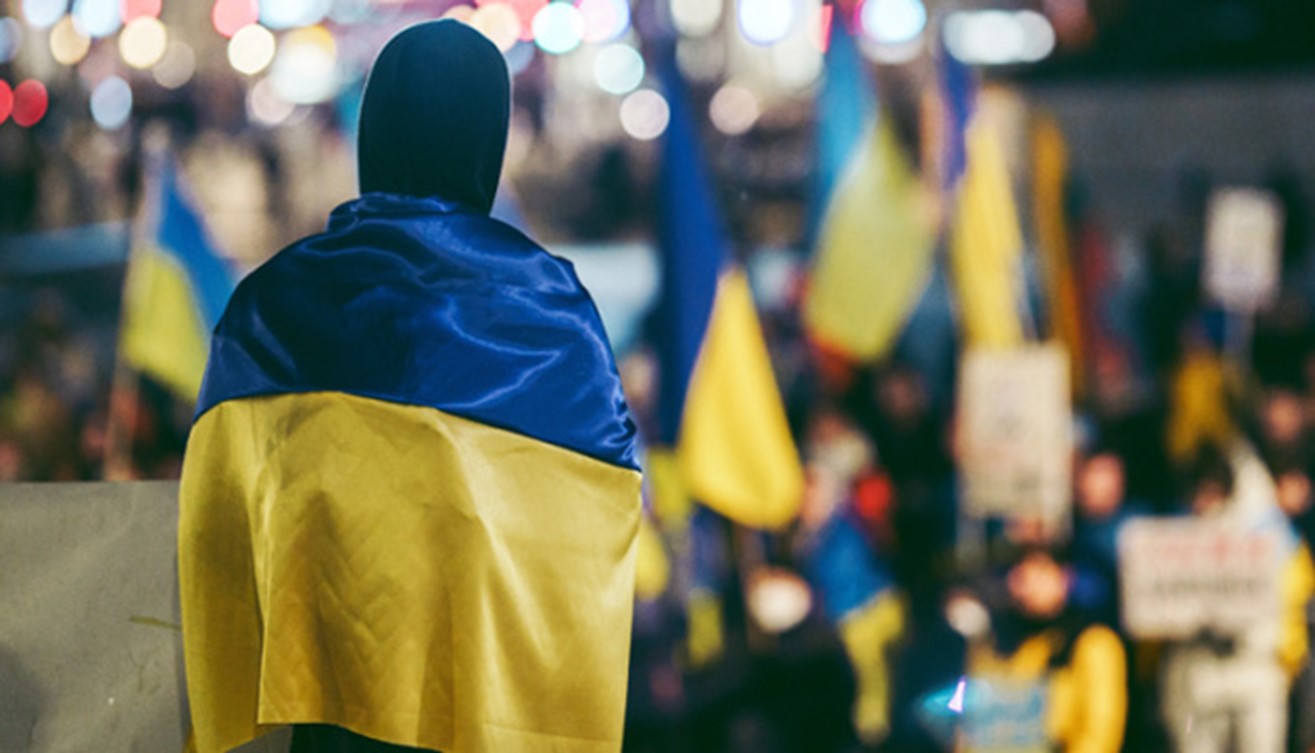
In the face of unimaginable challenges, Ukraine has become a global symbol of resilience. While the world watches from the outside, many forget that resilience isn’t just a political slogan or a trending hashtag—it’s a deeply psychological phenomenon, rooted in culture, identity, and everyday survival.
Psychologists define resilience as the ability to bounce back from adversity. But in Ukraine, it has evolved into something more than bouncing back—it’s about standing firm while the ground shakes beneath you. Since 2022, Ukrainians have been dealing not only with the trauma of war but with constant uncertainty, grief, dislocation, and economic instability. And yet, life goes on. Cafés reopen. Students attend online classes. Artists create. Farmers plant.
This “life must go on” attitude isn’t denial—it’s a coping mechanism that borders on philosophical. In fact, Viktor Frankl, a Holocaust survivor and psychiatrist, once wrote that meaning is the key to surviving suffering. Ukrainians have found that meaning—in defending their homeland, preserving their culture, and supporting each other through community. It’s not just about winning a war—it’s about not losing yourself in the process.
Social psychology tells us that shared struggle creates social cohesion. This is evident in the way Ukrainian civil society has mobilized—from volunteer battalions to crowdfunding for drones, from bomb-shelter concerts to children drawing hopeful messages on war-damaged walls. People are not just surviving the war; they’re actively choosing to live with dignity, purpose, and creativity.
Interestingly, trauma and creativity often walk hand in hand. Ukrainian artists have responded to war not only with protest but with powerful new forms of expression—murals in destroyed cities, songs born in trenches, poetry scrawled in evacuation trains. It’s a reminder that when words fail, art speaks.
At the same time, we must acknowledge that resilience has its limits. Being “strong” all the time is exhausting. Many Ukrainians are dealing with burnout, anxiety, and PTSD—sometimes quietly, beneath the surface. True resilience includes allowing space for vulnerability, for grief, and asking for help.
As Ukraine continues to defend itself—not only militarily but psychologically and culturally—the rest of the world has a responsibility, too: to listen, to support, and to learn. Because resilience isn’t just about surviving the moment. It’s about building the emotional infrastructure to carry on, even when the future is uncertain.
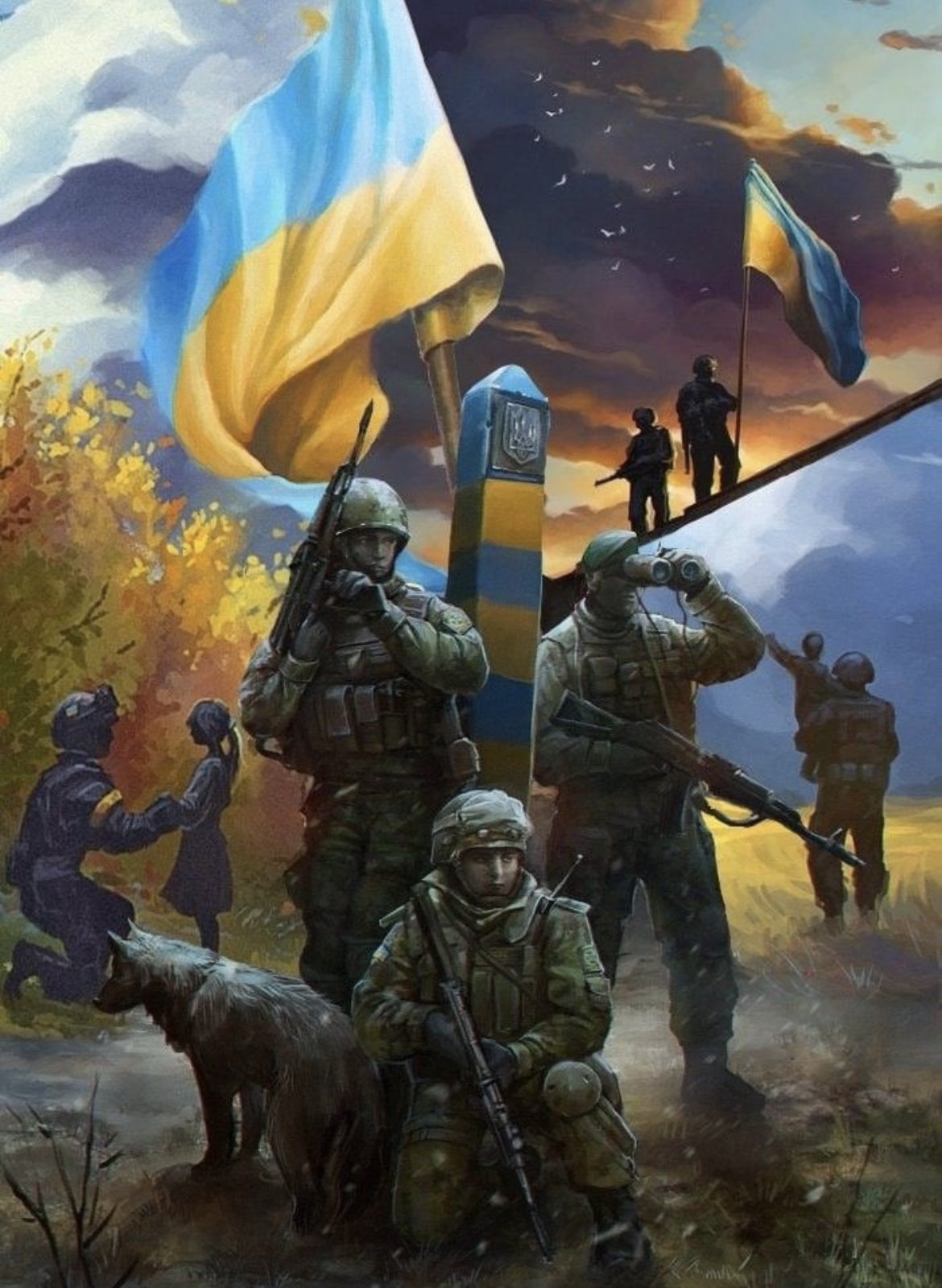
In the end, resilience in Ukraine isn’t a miracle. It’s a decision—repeated every day—to believe in something bigger than fear. And that might be the strongest weapon of all.



















Залишити відповідь