


-
ВОЄННИЙ Щоденник









-
FICTION/OPINION COLUMN






-
СПОРТ



-
Нетлінне
-







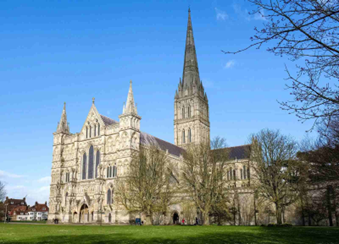
Gothic cathedrals represent one of humanity’s most ambitious architectural achievements, transforming the medieval landscape and forever changing our relationship with sacred space. Emerging in 12th-century France, these soaring structures embodied a revolutionary approach to building that combined engineering innovation with profound spiritual symbolism.
The Gothic style’s defining characteristic is its vertical emphasis, achieved through pointed arches, ribbed vaults, and flying buttresses that distribute weight more efficiently than previous architectural systems. This technological breakthrough allowed builders to construct walls of unprecedented height while incorporating vast windows that flood interiors with colored light. The resulting spaces create an almost otherworldly atmosphere that elevates visitors beyond earthly concerns toward contemplation of the divine.
Notre-Dame de Paris exemplifies Gothic architecture’s perfect marriage of form and function. Its facade presents a carefully orchestrated symphony of sculptural elements, from the intricate rose window to the gallery of stone saints that seem to welcome pilgrims into sacred space. Inside, the cathedral’s soaring nave creates a vertical journey that draws the eye inevitably upward, while countless architectural details reward careful observation with their exquisite craftsmanship.
The construction of these monumental buildings required unprecedented collaboration between architects, engineers, stonemasons, glaziers, and countless other craftsmen. Cathedral building projects often spanned several generations, becoming focal points for entire communities that contributed labor, materials, and financial resources. This collective effort transformed cathedral construction into acts of communal devotion that bound medieval society together through shared purpose.
Gothic cathedrals also served as vast encyclopedias rendered in stone and glass. Their sculptural programs depicted biblical narratives, saints’ lives, and moral teachings for largely illiterate populations, while architectural symbolism reinforced Christian cosmology. The building itself became a three-dimensional manuscript that taught through visual experience rather than written word.
The technical innovations pioneered in Gothic cathedrals influenced architectural development for centuries. The skeleton frame construction method, pioneered in these sacred buildings, eventually evolved into modern steel-frame architecture. Similarly, the Gothic emphasis on maximizing interior light anticipated contemporary architecture’s fascination with transparency and the integration of indoor and outdoor spaces.
Modern visitors to Gothic cathedrals often report profound emotional responses that transcend religious belief. These feelings suggest that the architects achieved their ultimate goal: creating spaces that inspire awe and wonder through their sheer scale and beauty. The cathedrals’ ability to move contemporary audiences demonstrates architecture’s power to communicate across centuries and cultural boundaries.
In our age of digital connectivity and virtual experiences, Gothic cathedrals remind us of physical space’s irreplaceable capacity to move the human spirit. They stand as monuments to human ambition and creativity, proving that our ancestors could achieve the seemingly impossible through vision, determination, and collaborative effort. These magnificent structures continue to inspire architects and dreamers, showing that the greatest achievements emerge when technical skill serves transcendent purposes.
























Залишити відповідь