

-
ВОЄННИЙ Щоденник








-
FICTION/OPINION COLUMN



-
ФОТОБУК






-
Нетлінне
-




In recent years, the rise of social media and digital platforms has led to the explosive growth of a new kind of multimedia profession: the content creator. From YouTubers and podcasters to TikTok influencers and freelance video editors, these professionals are redefining modern media. While this evolution has democratized creativity and lowered entry barriers to the media industry, it also comes with significant challenges that are often overlooked.
On the plus side, content creation as a profession offers remarkable flexibility and creative freedom. Unlike traditional media roles tied to rigid schedules and corporate hierarchies, today’s multimedia professionals can work independently, choose their niches, and directly engage with their audiences. Platforms like Patreon, Substack, and YouTube’s monetization system have enabled creators to turn hobbies into viable careers, often with little more than a smartphone and a good idea. This shift has also diversified voices in the media, giving rise to content that reflects a wider range of cultures, experiences, and perspectives.
Moreover, multimedia professionals frequently develop a wide range of transferable skills—from video editing and sound design to social media marketing and analytics. This versatility makes them attractive candidates for traditional employers as well as collaborators in the gig economy. The creator economy has even sparked innovation in branding, storytelling, and real-time audience engagement strategies.
However, the path is far from smooth. The very same flexibility and independence that attract many to this profession also create instability. Most multimedia creators rely on volatile algorithms, ever-changing platform policies, and the unpredictability of audience engagement. A single platform update can cut a creator’s reach or income in half. The absence of job security, health benefits, and structured career progression can lead to burnout and financial anxiety.
In addition, there’s a growing pressure to constantly produce content to stay relevant. The “always on” culture rewards quantity over quality, pushing creators to prioritize trends rather than meaningful or innovative work. This can stifle creativity and even lead to mental health issues, as the boundaries between personal and professional life blur.
There’s also the issue of intellectual property. Creators often work without legal protections or clear ownership rights over their work, particularly when partnering with brands or sharing content on third-party platforms. The balance of power is often tilted in favor of tech giants or corporate sponsors.
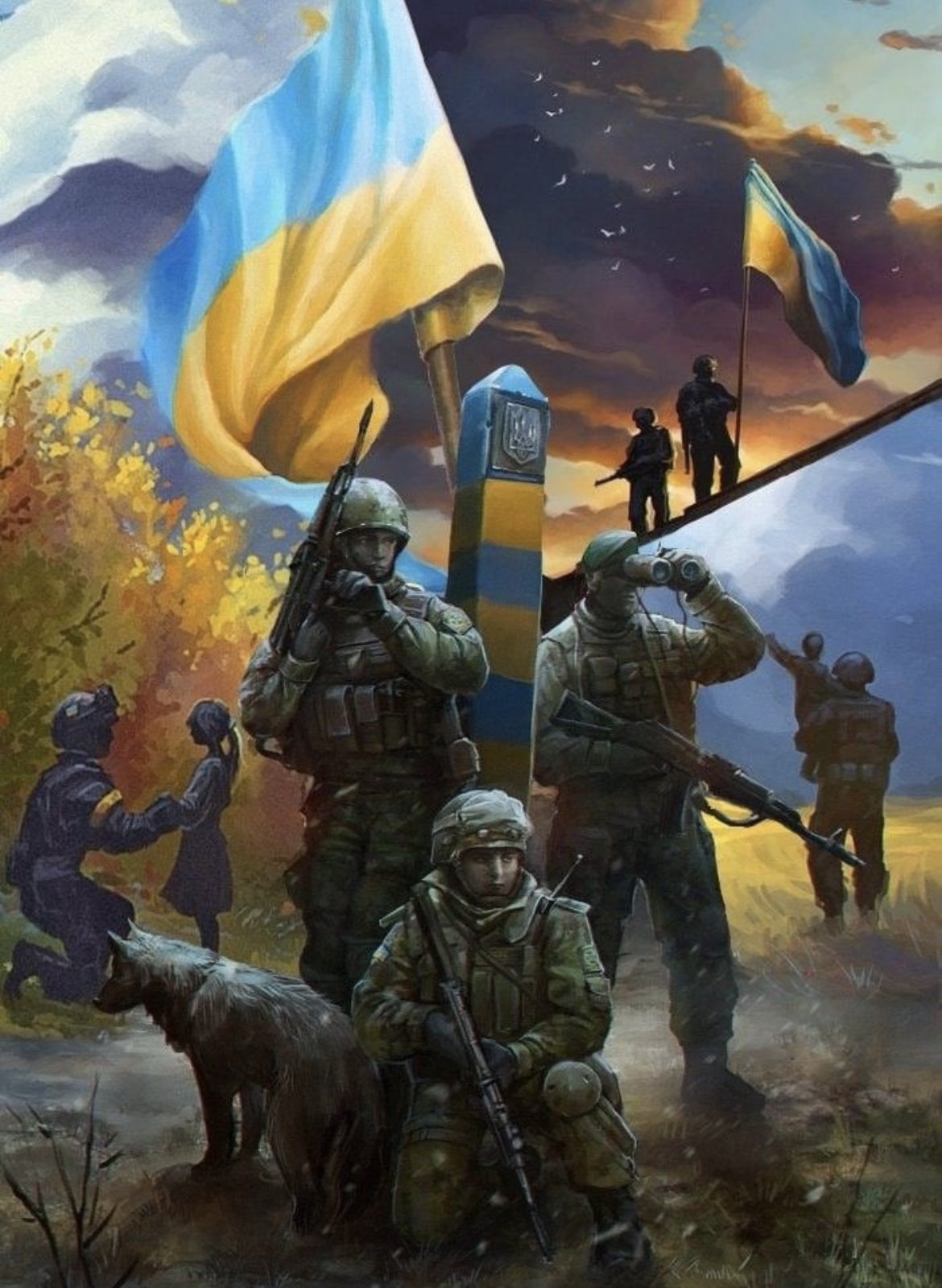
In conclusion, while the modern multimedia profession offers unprecedented opportunities, it also demands resilience, adaptability, and a keen awareness of its pitfalls, especially during the unpredictable Russian-Ukrainian war. As the creator economy continues to expand, it is crucial to build more sustainable frameworks, provide legal and financial protections, and educate upcoming professionals on how to navigate the digital landscape wisely. Only then can we ensure that the freedom of creation doesn’t come at the cost of creators’ well-being.




















Залишити відповідь