

-
ВОЄННИЙ Щоденник






-
Тема


-
FICTION/OPINION COLUMN








-
Нетлінне
-






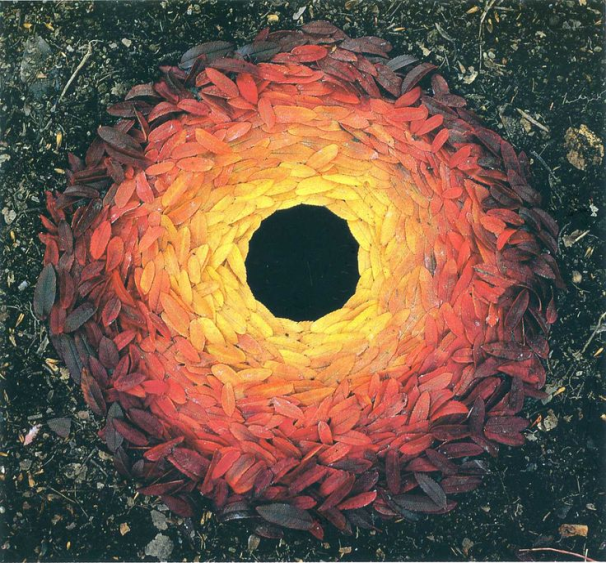
Andy Goldsworthy’s ephemeral sculptures, created entirely from natural materials, represent a revolutionary approach to art-making that challenges conventional assumptions about permanence, ownership, and the relationship between human creativity and natural processes. Working exclusively with elements like stones, leaves, ice, and thorns found in their original locations, Goldsworthy creates temporary installations that celebrate natural beauty while exploring themes of time, change, and environmental interconnection.
The ephemeral nature of Goldsworthy’s work reflects philosophical perspectives that embrace impermanence as fundamental to both artistic meaning and natural reality. His ice sculptures melt, leaf arrangements decay, and stone cairns eventually collapse, but these processes of dissolution are integral to the work’s significance rather than unfortunate accidents. This acceptance of transience creates art that mirrors natural cycles while challenging Western culture’s obsession with preservation and permanence.
The site-specific character of Goldsworthy’s installations demonstrates deep respect for particular places and their unique environmental conditions. Rather than imposing predetermined artistic visions onto landscapes, he responds to what each location offers while working within ecological constraints that shape creative possibilities. This collaborative approach to art-making suggests new models for human-environment relationships based on dialogue rather than domination.
The documentation of Goldsworthy’s ephemeral works through photography raises complex questions about the relationship between temporary experiences and permanent records. His photographs serve as both artistic objects in their own right and documentary evidence of sculptural works that no longer exist. This dual function creates interesting tensions between presence and absence, original and reproduction, that reflect broader questions about art’s relationship to time and memory.
The meditative aspects of Goldsworthy’s creative process are as important as his finished sculptures. The artist spends hours carefully balancing stones or arranging leaves in patterns that require patience, concentration, and sensitivity to natural forces. This contemplative approach to art-making offers alternatives to commercial art world pressures while creating opportunities for deep engagement with natural environments.
The educational potential of Goldsworthy’s work lies in its ability to make viewers more aware of natural processes and environmental relationships often overlooked in daily life. His sculptures direct attention to the subtle qualities of light, texture, color, and form that surround us constantly but rarely receive focused attention. This heightened awareness can foster greater environmental consciousness and appreciation for natural beauty.
The influence of Goldsworthy’s approach on contemporary environmental art has been substantial, inspiring numerous artists to explore relationships between artistic practice and ecological responsibility. His example demonstrates how artists can create meaningful work without consuming natural resources or contributing to environmental degradation while still achieving international recognition and artistic success.
The spiritual dimensions of Goldsworthy’s work connect to broader traditions of land-based art and nature mysticism that emphasize direct experience of natural forces over intellectual understanding. His sculptures often achieve moments of perfect balance or unexpected beauty that suggest deeper harmonies operating within natural systems. These transcendent moments provide contemporary urban audiences with access to experiences that traditional rural cultures took for granted.
The economic implications of creating art that cannot be sold or collected challenge conventional art market assumptions while raising questions about how artists can sustain careers based on ephemeral work. Goldsworthy’s success through photography sales, books, and commissions demonstrates alternative economic models for artists committed to non-commercial creative practices.
The therapeutic benefits of creating art with natural materials have been recognized by art therapists and environmental educators who use Goldsworthy-inspired activities to promote healing and environmental connection. Working with natural materials can reduce stress, promote mindfulness, and foster a sense of place that urban living often disrupts. These applications demonstrate art’s potential for supporting both individual and collective well-being.
The global reach of Goldsworthy’s work through exhibitions and publications has introduced international audiences to environmental art practices while promoting greater awareness of local natural environments. His ability to find extraordinary beauty in ordinary natural materials encourages viewers to discover similar possibilities in their own surroundings rather than seeking exotic experiences elsewhere.
The legacy of Goldsworthy’s environmental art will likely influence future generations of artists grappling with climate change and environmental destruction. His demonstration that meaningful art can emerge from respectful collaboration with natural processes offers hopeful alternatives to destructive human-environment relationships while proving that environmental consciousness and artistic excellence can reinforce rather than compromise each other.





















Залишити відповідь