


-
ВОЄННИЙ Щоденник



-
Життя






-
FICTION/OPINION COLUMN






-
СПОРТ



-
Нетлінне
-







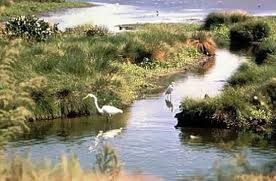
Nature writing has emerged as one of literature’s most vital and necessary genres, offering profound insights into humanity’s relationship with the natural world at a time when environmental consciousness has become essential for planetary survival. From Henry David Thoreau’s transcendentalist observations at Walden Pond to contemporary voices like Annie Dillard and Terry Tempest Williams, nature writers have created a distinctive literary tradition that combines scientific observation with philosophical reflection and poetic expression.
The genre’s power lies in its ability to make readers see familiar landscapes with fresh eyes, transforming everyday encounters with nature into moments of revelation and wonder. Thoreau’s meticulous documentation of seasonal changes around Walden Pond demonstrates how careful attention to natural phenomena can yield insights about both ecological processes and human consciousness. This dual focus distinguishes nature writing from purely scientific or purely literary approaches to environmental subjects.
Contemporary nature writers face the additional challenge of addressing environmental degradation and climate change while maintaining the genre’s traditional celebration of natural beauty. Authors like Bill McKibben and Elizabeth Kolbert have expanded nature writing’s scope to include environmental activism and scientific reporting, creating hybrid forms that serve both literary and educational purposes. This evolution reflects literature’s capacity to adapt to contemporary concerns while maintaining its essential character.
The descriptive precision required in nature writing has pushed authors toward linguistic innovation and heightened attention to sensory detail. Annie Dillard’s microscopic observations of insect behavior and seasonal changes demonstrate how careful observation can generate metaphorical insights that illuminate broader questions about existence and meaning. This marriage of scientific accuracy with poetic expression creates a distinctive literary voice that serves both artistic and educational purposes.
Native American traditions of nature writing offer alternative perspectives that challenge Western assumptions about humanity’s relationship to the natural world. Authors like N. Scott Momaday and Leslie Marmon Silko present indigenous worldviews that emphasize interconnection and reciprocity rather than domination and exploitation. These voices provide essential counterpoints to European-derived literary traditions while enriching the genre’s philosophical foundations.
The therapeutic and spiritual dimensions of nature writing reflect growing recognition of the natural world’s importance for human psychological and physical well-being. Studies confirming the health benefits of time spent in nature provide scientific validation for insights that nature writers have long intuited through personal experience. This convergence of literary insight and scientific research strengthens arguments for environmental protection based on human welfare as well as ecological ethics.
Place-based writing represents a crucial subset of nature literature that emphasizes intimate knowledge of specific landscapes and ecosystems rather than generalized environmental commentary. Writers like Wendell Berry and Gary Snyder have developed deep connections to particular places that inform their literary work while demonstrating sustainable ways of living within natural communities. This approach offers practical models for environmental stewardship grounded in personal experience and local knowledge.
The genre’s future likely depends on its ability to inspire environmental action while maintaining literary excellence. Young nature writers face the challenge of addressing unprecedented environmental challenges while avoiding despair and maintaining hope for positive change. This balancing act requires technical skill and emotional maturity that reflects nature writing’s evolution from romantic celebration to urgent advocacy.
The enduring appeal of nature writing suggests fundamental human needs for connection with the natural world that technological civilization cannot fully satisfy. As urbanization increases and direct contact with nature becomes less common for many people, literature serves an increasingly important role in maintaining awareness of ecological relationships and environmental beauty that remain essential for human flourishing and planetary health.
























Залишити відповідь