


-
ВОЄННИЙ Щоденник









-
FICTION/OPINION COLUMN









-
Нетлінне
-







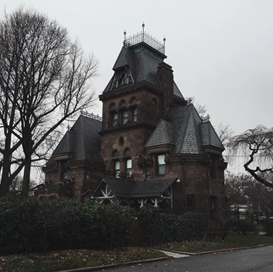
The Gothic Revival movement of the 18th and 19th centuries represented more than architectural nostalgia; it embodied a spiritual and cultural awakening that sought to reconnect modern society with medieval grandeur. This romantic return to Gothic principles produced some of the most emotionally stirring structures in architectural history.
Unlike original Gothic architecture, which emerged from practical construction needs, Gothic Revival was born from ideological desire. Architects like Augustus Pugin and John Ruskin viewed Gothic forms as morally superior to classical styles. They believed pointed arches, ribbed vaults, and soaring spires expressed humanity’s aspiration toward the divine better than any other architectural language.
The movement coincided with growing industrialization and urbanization. As societies mechanized rapidly, the Gothic Revival offered an antidote to perceived spiritual emptiness. Churches, universities, and government buildings adopted medieval aesthetics to suggest permanence, tradition, and moral authority in an age of unprecedented change.
Notable examples include London’s Houses of Parliament and New York’s St. Patrick’s Cathedral. These structures demonstrate how Gothic Revival architects adapted medieval techniques to contemporary needs, incorporating modern materials while maintaining historical character.
The movement’s influence extended beyond Europe and America. Colonial architects worldwide employed Gothic Revival elements, creating hybrid styles that reflected local cultural adaptation. Today, Gothic Revival buildings continue to inspire awe and contemplation, their vertical emphasis and intricate stonework reminding us of architecture’s power to elevate human consciousness and connect us with transcendent beauty.























Залишити відповідь