

-
ВОЄННИЙ Щоденник








-
FICTION/OPINION COLUMN



-
ФОТОБУК




-
Нетлінне
-







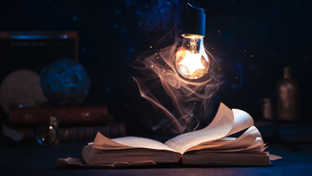
Magical realism has emerged as one of contemporary literature’s most compelling and internationally influential movements, blending realistic narrative techniques with fantastical elements to create fictional worlds that reflect the complexities and contradictions of postcolonial experience. Pioneered by Latin American authors like Gabriel García Márquez and Isabel Allende, this literary approach has provided writers worldwide with powerful tools for expressing cultural realities that conventional realism cannot adequately capture.
The genre’s distinctive nature lies in its matter-of-fact presentation of supernatural or impossible events within otherwise realistic narrative contexts. Characters accept miraculous occurrences as natural parts of their world, requiring readers to suspend conventional distinctions between possible and impossible. This narrative strategy creates reading experiences that mirror the disorienting effects of cultural displacement and historical trauma that many postcolonial societies have experienced.
García Márquez’s ‘One Hundred Years of Solitude’ established magical realism’s international prominence while demonstrating the technique’s capacity for expressing collective memory and cultural mythology. The novel’s cyclical structure and recurring characters suggest that history repeats itself while individual lives participate in larger patterns of meaning that transcend realistic causation. This approach allows literature to address cultural truths that a purely realistic narrative cannot convey.
The political dimensions of magical realism often emerge from its ability to express experiences of oppression and resistance that official histories have ignored or distorted. Writers like Salman Rushdie and Toni Morrison use fantastical elements to represent psychological and cultural realities that realistic narrative conventions would minimize or rationalize. This political potential makes magical realism particularly valuable for authors from marginalized communities seeking literary voices.
The relationship between magical realism and folklore traditions reflects the genre’s connection to oral storytelling and indigenous worldviews that maintain different relationships between natural and supernatural realms. Authors often draw upon local mythologies and folk beliefs to create literary techniques that express cultural perspectives excluded from Western literary traditions. This cultural specificity gives magical realist works their distinctive flavor while challenging universal assumptions about reality and representation.
Contemporary female authors have expanded magical realism’s scope to address gender-specific experiences and feminist perspectives on power, sexuality, and identity. Writers like Laura Esquivel and Angela Carter use magical elements to explore women’s experiences in ways that conventional realism might diminish or psychologize. This feminist application demonstrates the genre’s adaptability to different cultural and political contexts.
The challenge of translating magical realist works reflects broader questions about cultural communication and literary interpretation across linguistic and cultural boundaries. Translators must convey not only literal meanings but also cultural contexts that make fantastical elements meaningful within their original settings. This translation challenge highlights magical realism’s deep cultural specificity despite its international popularity.
The influence of magical realism on other art forms—film, visual arts, theater—demonstrates the technique’s broader cultural significance beyond literature. Directors like Guillermo del Toro and artists like Frida Kahlo have adapted magical realist principles to create works that blend realistic representation with fantastical elements. This cross-media influence suggests the approach’s fundamental relevance to contemporary artistic expression.
Critical debates about magical realism’s definition and boundaries reflect broader questions about literary categorization and cultural authenticity. Some critics argue that the term has become too broad to maintain a useful meaning, while others contend that its flexibility reflects literature’s natural evolution. These debates illuminate ongoing tensions between literary tradition and innovation.
The therapeutic potential of magical realism lies in its ability to express traumatic experiences and cultural displacement through narrative strategies that acknowledge both reality’s harshness and imagination’s healing power. By presenting impossible events as natural, magical realist narratives create spaces where readers can process difficult experiences without being overwhelmed by their realistic representation.
The future of magical realism likely depends on its continued ability to express cultural experiences that conventional realism cannot adequately represent. As globalization creates new forms of cultural displacement and hybrid identity, writers will probably continue finding magical realist techniques useful for expressing contemporary realities that transcend traditional narrative boundaries. The genre’s international success suggests that modern readers worldwide recognize the need for literary forms that acknowledge reality’s complexity and contradiction.



















Залишити відповідь