


-
ВОЄННИЙ Щоденник









-
FICTION/OPINION COLUMN






-
СПОРТ



-
Нетлінне
-






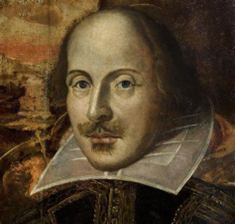
William Shakespeare’s “Hamlet” stands as perhaps the greatest achievement in English dramatic literature, a work that has captivated audiences for over four centuries with its profound exploration of human consciousness and moral complexity. Written around 1600, this tragic masterpiece continues to resonate with contemporary audiences because it addresses timeless questions about existence, duty, and the nature of truth itself.
The play’s psychological depth emerges primarily through its protagonist’s internal struggles. Hamlet’s famous soliloquies reveal a mind grappling with impossible choices, where action and inaction both carry devastating consequences. The prince’s intellectual nature transforms what could have been a simple revenge plot into a complex meditation on the human condition, where every decision opens new moral dilemmas rather than providing clear resolution.
Shakespeare’s masterful use of language elevates “Hamlet” beyond conventional drama into the realm of philosophical literature. The playwright’s ability to capture the rhythms of human thought through blank verse creates an intimacy between character and audience that remains unmatched in dramatic literature. Phrases like “To be or not to be” have transcended their theatrical origins to become part of universal human discourse about existence and meaning.
The play’s structural sophistication reflects Shakespeare’s mature artistic vision. Multiple plot lines weave together to create a complex tapestry where personal relationships mirror larger political and moral themes. The relationship between Hamlet and Ophelia, Hamlet and his mother, and Hamlet and his father’s ghost all illuminate different aspects of the central character’s psychological journey while advancing the broader narrative.
“Hamlet” also serves as a meditation on the nature of performance and reality. The play-within-a-play device allows Shakespeare to explore how art can reveal truth while simultaneously questioning the reliability of appearances. This meta-theatrical element adds layers of meaning that continue to reward careful analysis and interpretation by scholars and audiences alike.
The character of Hamlet himself has become an archetype for the modern intellectual hero torn between thought and action. His tendency toward introspection and analysis rather than immediate response reflects a specifically modern consciousness that values reflection over instinct. This psychological realism helps explain why audiences across different cultures and historical periods continue to identify with his struggles.
The play’s exploration of death and mortality speaks to universal human concerns that transcend historical boundaries. From the opening scene with the ghost to the final tragic conclusion, “Hamlet” confronts the inevitability of death while questioning what, if anything, lies beyond physical existence. These themes give the work its enduring philosophical weight and emotional impact.
Contemporary productions of “Hamlet” continue to find new interpretations and relevance in the text, from modern-dress productions that emphasize political themes to psychological interpretations that explore the prince’s mental state. This adaptability demonstrates the work’s fundamental strength: its ability to speak to each generation’s particular concerns while maintaining its essential artistic integrity.
“Hamlet” ultimately succeeds because it refuses to provide easy answers to the profound questions it raises. Like life itself, the play presents moral ambiguity and psychological complexity that defies simple resolution, forcing audiences to grapple with the same uncertainties that torment its protagonist. This intellectual and emotional challenge ensures that “Hamlet” will continue engaging audiences as long as humans continue questioning their place in the universe.
























Залишити відповідь