


-
ВОЄННИЙ Щоденник









-
FICTION/OPINION COLUMN



-
ФОТОБУК






-
Нетлінне
-







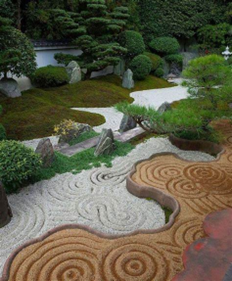
Zen gardens represent one of humanity’s most refined attempts to create physical spaces that facilitate spiritual contemplation and psychological transformation. These carefully composed landscapes of stone, sand, and minimal vegetation embody centuries of Buddhist philosophy while demonstrating how environmental design can serve meditative practice and aesthetic appreciation simultaneously.
The apparent simplicity of Zen gardens conceals a sophisticated understanding of perception, symbolism, and spatial relationships that influences viewers’ psychological states through carefully orchestrated visual experiences. The famous rock garden at Ryōan-ji temple in Kyoto consists of fifteen stones arranged in raked white sand, yet this minimal composition generates endless interpretive possibilities while promoting the mental stillness essential to Zen practice.
The design principles underlying Zen gardens reflect fundamental Buddhist concepts about impermanence, interdependence, and the illusory nature of fixed identity. Raked sand patterns must be regularly renewed, stone arrangements weather and change over time, and seasonal variations create constant transformation within apparently static compositions. These temporal elements remind visitors that permanence is an illusion while change represents reality’s fundamental nature.
The use of negative space in Zen garden design demonstrates how emptiness can function as powerfully as presence in creating meaningful aesthetic experiences. Large areas of raked sand or gravel create a visual breathing room that allows individual elements to achieve maximum impact while promoting psychological states of calm and receptivity. This sophisticated use of emptiness influences contemporary minimalist design across multiple disciplines.
The viewing experience of Zen gardens typically involves prolonged contemplation from specific vantage points rather than movement through landscape spaces. This stationary approach to garden appreciation creates opportunities for deep observation and reflection that contrast sharply with Western garden traditions emphasizing exploration and discovery through physical movement. The resulting meditative experience can produce profound shifts in consciousness and emotional state.
The symbolic dimensions of Zen garden elements operate on multiple levels simultaneously, from literal representation to abstract metaphor. Stones may represent mountains, islands, or animals while also functioning as pure form and texture within overall compositions. This layered symbolism allows gardens to communicate with viewers regardless of their knowledge of Buddhist philosophy while rewarding deeper study with additional layers of meaning.
The maintenance rituals associated with Zen gardens—daily raking, seasonal cleaning, careful stone placement—represent forms of moving meditation that integrate physical activity with spiritual practice. These activities demonstrate how routine work can become opportunities for mindfulness and self-cultivation when approached with proper attention and attitude.
Contemporary applications of Zen garden principles in therapeutic settings have confirmed their psychological benefits for stress reduction and mental health improvement. Medical facilities, corporate environments, and private residences increasingly incorporate Zen-inspired design elements to create spaces that promote calm and reflection in otherwise stressful environments.
The influence of Zen aesthetics on modern architecture and landscape design extends far beyond literal garden creation to encompass broader principles of simplicity, natural materials, and spatial harmony. Architects like Tadao Ando and Peter Zumthor have absorbed Zen principles while creating contemporary buildings that achieve spiritual impact through material restraint and careful attention to light and space.
The paradox of Zen gardens lies in their ability to suggest infinite space and possibility within highly controlled and limited physical boundaries. This achievement represents a sophisticated understanding of how environmental design can influence consciousness while creating experiences of transcendence that extend far beyond their immediate physical presence.
The continued relevance of Zen gardens in our contemporary world suggests fundamental human needs for contemplative space and aesthetic beauty that technological advancement cannot satisfy. As urban environments become increasingly complex and stimulating, these spaces of cultivated simplicity offer essential counterbalances that support psychological health and spiritual development. Their timeless appeal demonstrates how ancient wisdom can address contemporary needs when applied with sensitivity and understanding.
























Залишити відповідь