


-
ВОЄННИЙ Щоденник









-
FICTION/OPINION COLUMN



-
ФОТОБУК






-
Нетлінне
-







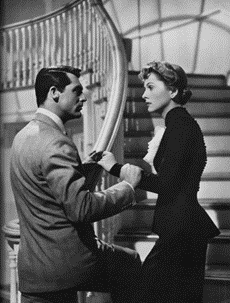
Alfred Hitchcock’s mastery of cinematic suspense has earned him recognition as one of cinema’s greatest artists, a filmmaker whose psychological insights and technical innovations continue to influence directors decades after his death. Through films like “Psycho,” “Vertigo,” and “Rear Window,” Hitchcock explored the darker aspects of human nature while pioneering techniques that transformed cinema from entertainment into a sophisticated art form capable of profound psychological expression.
Hitchcock’s genius lay in his understanding of audience psychology and his ability to manipulate viewer emotions through carefully orchestrated visual and auditory techniques. His famous distinction between surprise and suspense demonstrates sophisticated awareness of how different narrative strategies affect audience engagement. By showing viewers the bomb under the table, Hitchcock created tension that mere shock could never achieve, proving that anticipation often generates more powerful emotional responses than surprise.
The director’s visual style reveals meticulous attention to composition and camera movement that serves psychological rather than merely aesthetic purposes. His use of subjective camera angles allows viewers to experience characters’ mental states directly, while his innovative editing creates associations and meanings that dialogue alone could never convey. The famous shower scene in “Psycho” exemplifies this approach, using rapid cuts and strategic sound design to create visceral impact without showing explicit violence.
Hitchcock’s exploration of voyeurism and surveillance anticipates contemporary concerns about privacy and observation in ways that seem remarkably prescient. Films like “Rear Window” and “Vertigo” examine the ethics and psychology of watching, questioning viewers’ own complicity in the act of observation. These themes resonate strongly in our current era of digital surveillance and social media exhibitionism.
The recurring presence of blonde heroines in Hitchcock’s films reflects his complex attitudes toward femininity and desire. Characters like Grace Kelly and Kim Novak embody a specific type of cool, elegant beauty that masks psychological complexity and potential danger. This archetype reveals Hitchcock’s fascination with the gap between appearance and reality, particularly regarding female psychology and sexuality.
Hitchcock’s collaboration with composer Bernard Herrmann produced some of cinema’s most memorable and psychologically effective musical scores. Herrmann’s string-dominated orchestrations for “Psycho” and “Vertigo” demonstrate how music can enhance narrative tension while providing emotional subtext that complements visual storytelling. These collaborations established new standards for film music that continue to influence contemporary composers.
The director’s Catholic background profoundly influenced his exploration of guilt, confession, and moral responsibility. Many Hitchcock protagonists struggle with ethical dilemmas that have no clear resolution, reflecting theological questions about sin, redemption, and human fallibility. This moral complexity elevates his thrillers beyond mere entertainment into meditation on fundamental questions about human nature.
Hitchcock’s influence on contemporary cinema extends beyond specific techniques to encompass his overall approach to psychological storytelling. Directors like Brian De Palma, Martin Scorsese, and David Fincher have absorbed his lessons about visual narrative while applying them to contemporary subjects and sensibilities. This ongoing influence demonstrates how truly innovative artistic techniques transcend their original context to become part of the medium’s permanent vocabulary.
The enduring appeal of Hitchcock’s films suggests that his psychological insights remain relevant to contemporary audiences. His exploration of paranoia, obsession, and the thin line between civilization and chaos speaks to persistent anxieties about human nature and social order. In an age of increasing psychological sophistication, Hitchcock’s complex characters and moral ambiguity continue to provide rich material for analysis and appreciation by new generations of viewers.
























Залишити відповідь