

-
ВОЄННИЙ Щоденник








-
FICTION/OPINION COLUMN



-
ФОТОБУК





-
Нетлінне
-






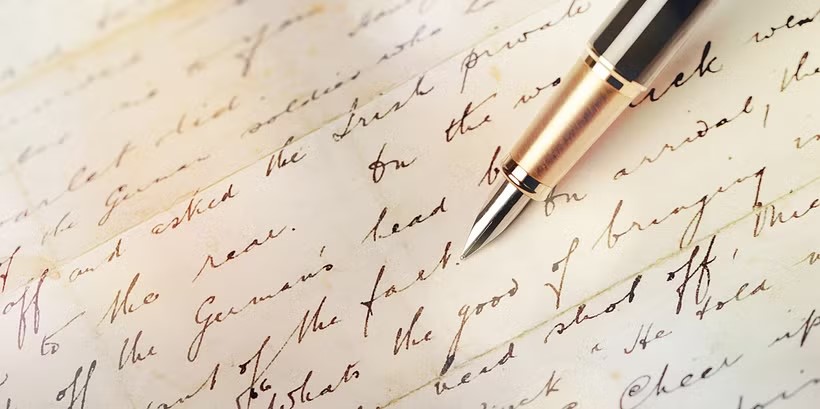
If you want to turn gradually into a pro-content-writer, it is a good idea to plunge into the realm of literary techniques at least from time to time.
Today, we`ll take a vignette, a literary technique which appeared among writers somewhere in the XIXth century. They say that such French writers as Emile Zola and Gustave Flaubert were the first who pitched vignettes into world literature. Later, the torch of a new literary technique was taken up by such giants of world literature as Charles Dickens, Ernest Hemingway and Sandra Cisneros.
So, in brief, a vignette is a special artistic technique in literature that consists of creating short, vivid scenes or sketches that may be part of a larger work or stand alone. Vignettes are often used to convey a certain atmosphere, emotional mood or individual impression without detailed plot development.
Unlike a traditional chapter in a novel or short story, a vignette may not have a clear plot structure. It focuses on an instant, a moment, a mood, a colour or a sound rather than a sequence of events.
Key characteristics of vignettes in literature
Vignettes help create atmosphere through detailed descriptions, sound and visual images, play of light and shadow, and subtle shades of emotion.
They often focus on the little things – gestures, looks, textures, sensations – that might be lost in a larger story context.
Vignettes often convey individual perceptions of characters, their thoughts, feelings or even the state of nature through the prism of emotion.
Vignettes can be dynamic and fast-paced or, conversely, slow and drawn out, like film frames suspended in space.
Individual vignettes can stand alone or be linked together in a larger narrative, creating a kind of mosaic of images and impressions.
Where can you use vignettes?
In fiction, to create expressive episodes that deepen the perception of the text.
In poetry — as separate lyrical fragments or impressionistic sketches.
In memoirs and autobiographies, to convey memories not through chronology but through emotional experience.
In journalism, to write artistic and journalistic essays that convey the spirit of an event or place.
Why are vignettes important?
They help readers to not only ‘see’ events, but to feel them. It’s like a chance to stop in the middle of a great story and breathe in the moment before moving on.
Now I am trying to do it, so I believe that you will join me soon too.






















Залишити відповідь