


-
ВОЄННИЙ Щоденник

-
Життя




-
FICTION/OPINION COLUMN






-
Нетлінне
-


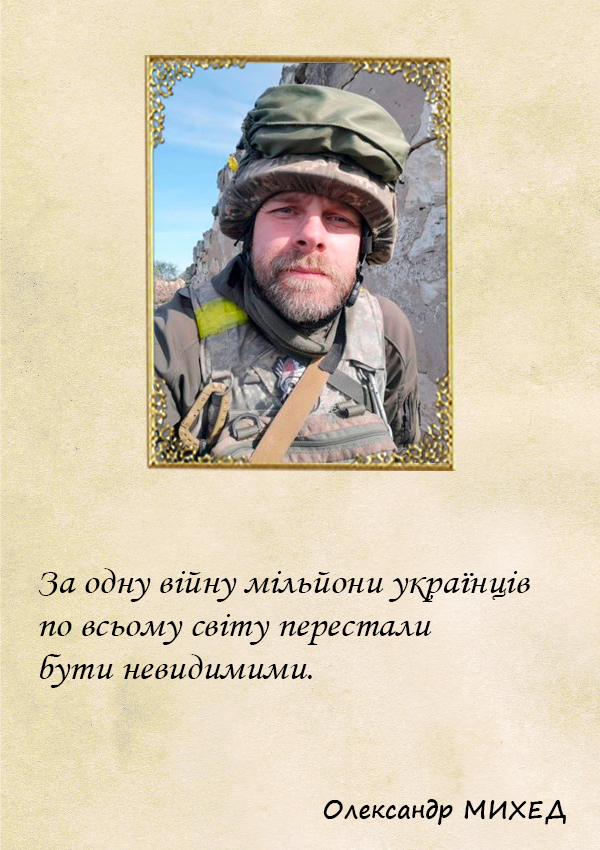





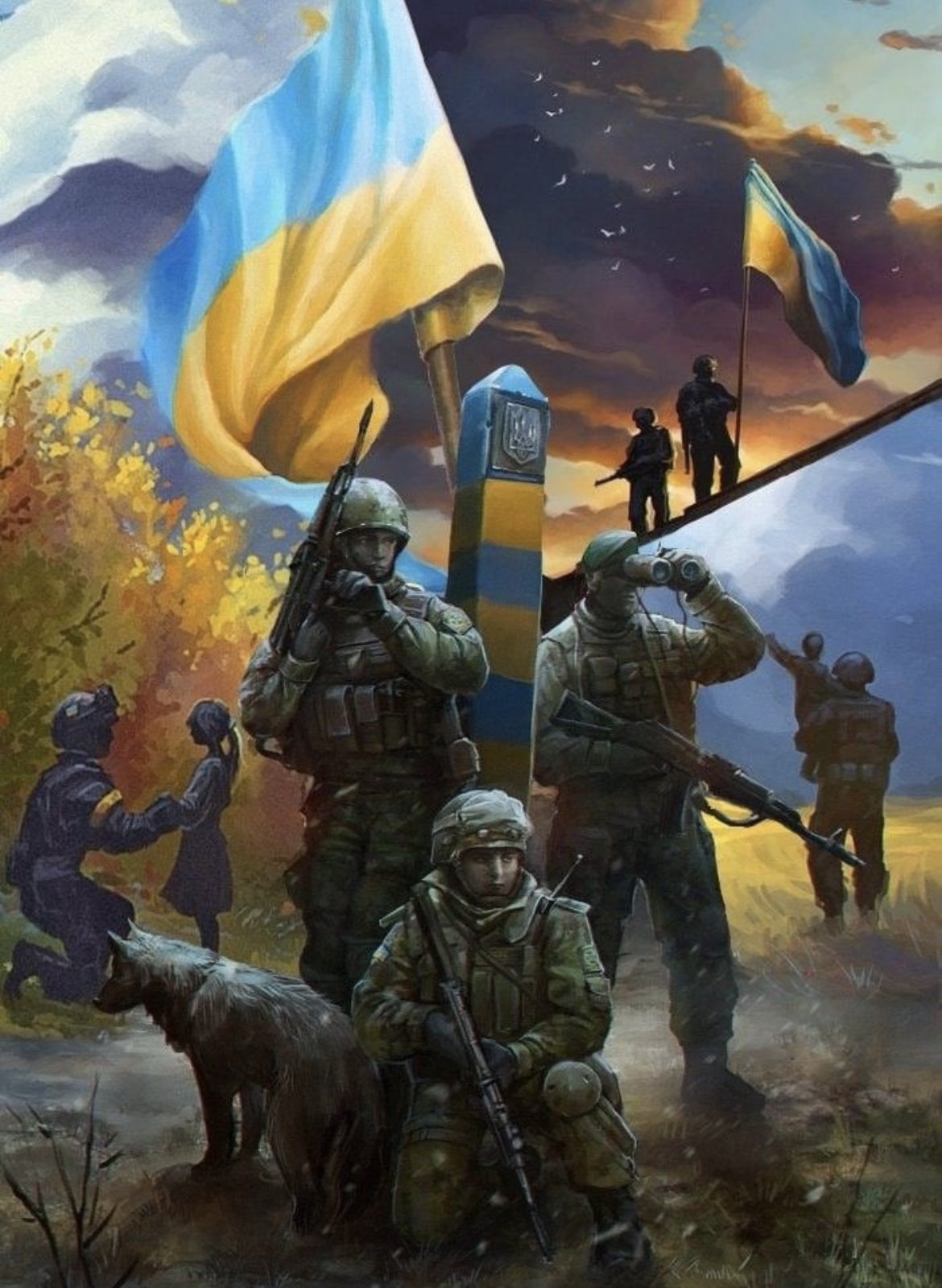
In the early light of dawn, when the mist still clung to the Ukrainian countryside, Andriy wiped the dew from his face and adjusted his uniform. He was a teacher before the war, a soft-spoken man who spent his days inspiring young minds with stories of Shevchenko and Franko. Now, he carried an AK-47, the metal cold against his palms, the weight a reminder of how his world had shifted.
Andriy’s village was, like many others, a patchwork of modest homes and golden fields that seemed to stretch forever. When the first tremors of war reached his home, he hesitated. He had never fired a weapon, never imagined himself as a soldier. But when the local school was shelled, leaving behind only rubble and ash, he knew he couldn’t stand by. His students’ notebooks had been scattered among the debris, pages of math problems and poems scorched but still visible. It was a sight he couldn’t forget.
Across the border, in a city now under occupation, Natalia’s world had also unraveled. A nurse by profession, she had spent years tending to the elderly in her neighborhood clinic. The war pulled her into a different kind of care—tending to wounded soldiers and terrified civilians in makeshift hospitals. Her hands, once steady as they dressed wounds and measured doses, now trembled as she worked by candlelight, the sounds of artillery ever-present.
Natalia had always been practical, a woman who found solutions in the face of chaos. But nothing could prepare her for the flood of refugees that poured into her city’s underground shelters. Families separated, children clutching stuffed animals, their eyes wide with fear. She became a pillar for them, offering not just medical care but words of comfort, often borrowed from the songs her grandmother used to sing during the hardest times.
In another part of the country, Oleh, a mechanic, traded his grease-stained overalls for the olive drab of the Territorial Defense Forces. His garage became a workshop for repairing military vehicles and retrofitting civilian cars into ambulances. Oleh had never been political, but when the war came, neutrality was no longer an option. He worked tirelessly, knowing that each vehicle he sent back to the front lines could save lives. His calloused hands, used to fixing engines, now held a rifle when necessary.
These ordinary people—a teacher, a nurse, a mechanic—became extraordinary through their resilience. They didn’t see themselves as heroes. Andriy often doubted his strength as he wrote letters to his students from the trenches, his penmanship steady despite the mud and rain. Natalia questioned her endurance during sleepless nights, the faces of her patients haunting her dreams. Oleh worried he wasn’t doing enough, even as his neighbors hailed him as a savior.
The war was more than a clash of armies; it was a test of humanity. The courage of people like Andriy, Natalia, and Oleh became the threads holding Ukraine together, a tapestry woven with sacrifice and hope. They fought not just for territory, but for the right to live in a world where children’s notebooks could remain untouched, where families could gather without fear, and where songs of old could be sung without the accompaniment of bombs.
When the war ends—and it will end, they all believe that—their stories will be told in classrooms, recited in poetry, and remembered in the quiet moments of peace. For now, they carry on, ordinary people doing extraordinary things, united by a love for their land and their people.















Залишити відповідь