


-
ВОЄННИЙ Щоденник



-
Життя






-
FICTION/OPINION COLUMN









-
Нетлінне
-






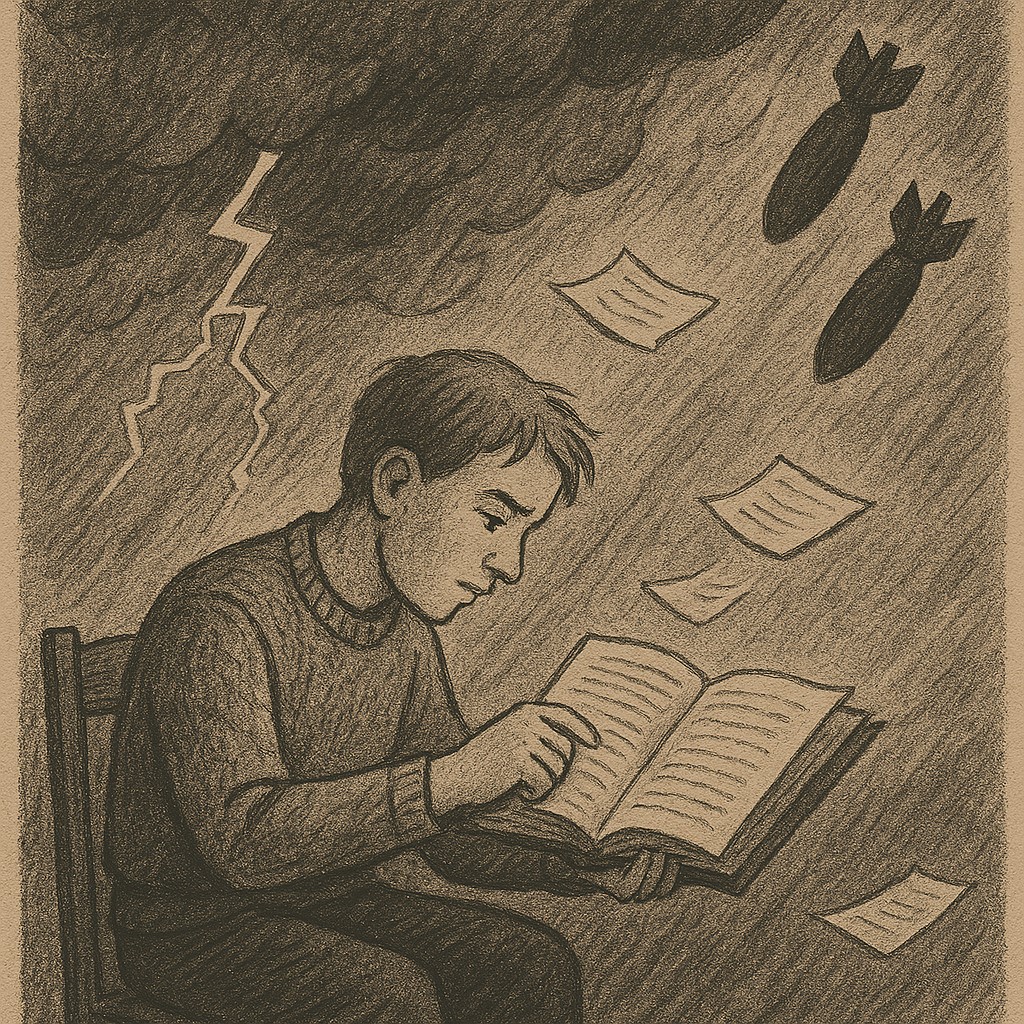
Ukraine’s book publishing sector is a testament to resilience, having undergone a dramatic transformation since the full-scale invasion in February 2022. The demand for Ukrainian-language content has soared, fueled by a powerful wave of de-Russification and national identity affirmation. Yet, beneath this surge in patriotic interest, the industry grapples with a formidable array of challenges that threaten its long-term stability and growth.
One of the most immediate and profound issues is the direct impact of the war. Publishers face constant logistical nightmares: disrupted supply chains, damaged infrastructure, and the immense risk to staff and printing facilities. Bombings, power outages, and air raid alerts severely impede production schedules. Furthermore, millions of Ukrainians are displaced internally or abroad, shrinking the domestic readership base in war-affected regions and creating a distribution vacuum.
Economic volatility presents another significant hurdle. Inflation has driven up the cost of printing, paper (much of which is imported), and logistics. This directly impacts book prices, making them less affordable for consumers whose purchasing power has been eroded by the war. Many Ukrainians simply prioritize basic necessities over books, even beloved ones.
Competition from digital media and rampant piracy continues to plague the market, a problem exacerbated by the economic strain. While legal e-books and audiobooks are gaining traction, the widespread availability of illegal digital copies undercuts sales and revenue, making it harder for publishers to invest in new titles and authors.
The limited size and fragmented nature of the market, coupled with ongoing distribution challenges, means that even popular titles struggle to reach a wider audience efficiently. Many smaller towns and rural areas lack robust bookstore networks, relying heavily on online sales, which are susceptible to postal disruptions.
Finally, the human cost of the war impacts the industry’s workforce. Many experienced professionals – editors, designers, sales managers – have been mobilized into the armed forces, volunteered, or left the country. This brain drain creates staffing gaps and a loss of institutional knowledge, hindering the industry’s capacity to innovate and expand.
Despite these immense difficulties, Ukrainian publishers demonstrate remarkable adaptive capacity, pivoting to online sales, exploring international partnerships, and focusing on high-demand patriotic and educational content. However, for the Ukrainian book market to truly flourish and serve its vital cultural role, sustained international support, targeted government policies, and effective anti-piracy measures remain critical. It’s a fight for survival, where every printed page represents a small victory for Ukrainian culture.






















Залишити відповідь